

The Life Trap for Second-Generation Chinese Under American Elite Education
美国精英教育构筑的华二代人生陷阱
By Zhao Min (赵敏)

【Editor’s Note: For countless Chinese immigrants harboring the “American Dream,” achieving a secure middle-class foothold in the United States and sending their children to prestigious universities has long represented an enviable life trajectory. Yet, upon closer examination of the “meritocratic” system that governs elite education and the professional world, it becomes evident that this path is anything but strewn with roses. From early childhood through adolescence and into adulthood, one must embrace an unrelenting “996” work ethic—often at the expense of health, leisure, and family bonds—leading entire families into a spiral of perpetual anxiety and exhaustion. To be clear, this is not to dismiss American higher education or the value of hard work in its entirety. Rather, we must recognize that staking all one’s resources, finances, and aspirations on a narrow path of ‘study hard, land a high-paying job’ carries immense mental and economic costs. Once a child succumbs to the pressure, stumbles in a top-tier industry, or even succeeds but finds only “unhappy wealth,” the entire family may bear an unsustainable burden. The so-called “life trap” of second-generation Chinese under American elite education embodies the pervasive dilemma of extreme meritocracy: the wealthy cement their standing with vast resources, while the middle class and new immigrants invest everything yet remain ensnared in endless competition. Meanwhile, children’s early years and adolescence are subsumed by “intense training,” often foreshadowing even longer work hours and deeper isolation down the line. It follows that Chinese immigrant families should strive to reconcile social mobility with nurturing their children’s well-being, acknowledging the limits of their own means and respecting each child’s individual growth. After all, ‘elite’ should not be synonymous with ‘sacrificing health, personal time, social connections, and family happiness’ in an endless race. Only when more parents reject the illusions of meritocracy and adopt a more pluralistic approach to a child’s future can the Chinese immigrant community truly take root in healthier, more resilient ways—and ultimately break free from an exhausting spiral, offering the next generation greater happiness and more diverse opportunities.】
Increasingly, Chinese families—particularly those who have recently risen to the American middle class via study-abroad programs or skills-based immigration—are pouring vast amounts of time and money into their children’s education, hoping those children will smoothly “pa teng” (gain admission to top universities like Harvard, Yale, or Princeton). To these parents, entering an Ivy League or similar institution is not merely a guarantee of social standing or economic gain but the sole means of climbing—or at least maintaining—a family’s elite status. Unlike America’s “old money,” however, new immigrants typically lack significant family assets or generations of elite educational background. Forced to invest much if not all of their income in their children’s education, some parents are stunned to discover that even though their children have earned a degree from a famous university—seemingly a peak achievement—they often find themselves in perpetual high-intensity jobs, under relentless pressure, and effectively thrown into an even more grueling “rat race.” When we examine the long-term ramifications of American elite education on second-generation Chinese—especially those from new immigrant families—we cannot ignore the tremendous outlay, challenges, and costs these families bear in the educational competition. Nor can we overlook the many pitfalls hidden behind its shiny facade.
From “Changing One’s Fate Through Studying in America” to “The Whole Family Fights with Its Back Against the Wall”
Since China’s reform and opening, studying abroad has been seen by numerous Chinese families as a crucial path to realizing a better life. Among these destinations, the United States has remained a perennial favorite. Romanticized by the grand narrative of the “American Dream” and bolstered by the global reputation of its universities, generation after generation of Chinese students have embarked on this educational odyssey. Many complete their degrees, secure employment, and eventually settle in the U.S. Their Chinese friends, family, and local community often hail them as “winners,” for to land in America’s high-tech and advanced industries, holding down a middle- or upper-middle-class lifestyle, is indeed a notable achievement.
Yet for these individuals—who have accomplished the “study-work-immigrate” trajectory—the real challenge lies in their children. As often the first in their extended family to gain a foothold in the U.S., they feel intense pressure either to protect their hard-won status or to climb even higher. Compared to the descendants of America’s “old money,” new immigrants lag significantly in social capital, cultural know-how, networking, and financial reserves. To set their children on the “Ivy League track,” they end up investing nearly all their time, energy, and money. We often see Chinese families sending their children to private K–12 schools or moving to affluent districts with top-rated public schools at steep housing costs. After school or on weekends, children have little free time, instead juggling a packed schedule of tutoring, math competitions, music lessons, riding or debate clubs, and more. Parents, too, devote almost every vacation or weekend to these educational and extracurricular pursuits, with little time for personal leisure or socializing. Some may even alter their own career paths—opting for lower-paying but more flexible jobs—just to help their kids “charge ahead” to top universities.
Most new Chinese immigrant parents recognize the importance of education and willingly sacrifice personal comfort and free time to invest in their offspring. Although they can hardly match the millions—or even tens of millions—of dollars some established elite families can pour into schooling, they push to their own financial limits to give their children every advantage. Yet, as Harvard University political philosopher Michael Sandel (迈克尔·桑德尔) and Yale University professor Daniel Markovits (丹尼尔·马科维茨) have argued in their explorations of “meritocracy,” the American system of elite education is already deeply “involuted,” placing children under excessive academic pressure from an early age. Lacking the means to cover stratospheric tutoring fees, top-tier school districts, or lavish extracurriculars, new immigrants’ children—no matter how driven—often struggle to catch up to the well-resourced kids of wealthy families. As a result, though many second-generation Chinese manage to secure their “ticket” to an elite institution and even land roles in prestigious firms, they rarely attain that leisurely “elite lifestyle.” Instead, they forfeit meaningful family time or personal pursuits, finding themselves caught in the never-ending churn of a “white-collar 996.”
The High-Intensity Life Under “Meritocracy”: A Second-Generation “Rat Race”
Several years ago, a Chinese American named Chloe offered a revealing snapshot of this reality. She completed her master’s at a top-ten U.S. university and went on to join a renowned consulting firm. She soon earned a yearly salary of a hundred and fifty thousand dollars and secured a green card, seemingly the perfect success story. Yet her day-to-day was more like a “horror tale”: working from six in the morning to midnight—or even later—often staying awake for days on end. More than once, she nearly collapsed from stress, actually fainting at the office before being rushed to the emergency room. To withstand this punishing schedule, she began training for marathons, often running dozens of kilometers on Sundays and immediately flying to meet clients on Monday. Some nights, she would go running at 1:00 or 2:00 a.m., jokingly referring to it as a “run courting sudden death.”
On the surface, such extremes might seem like personal choices. In truth, they speak to a broader work culture in America’s elite circles: wealth plus ceaseless striving, with not a moment’s pause. While these “glamorous” positions do provide large paychecks and the freedom to consume as a middle- or upper-class earner, the demands seep into every corner of one’s life, leaving little room to breathe. After two years, Chloe considered finding a less intense job, only to realize that well-paying careers inevitably entailed a similar grind, while lower-pressure roles didn’t offer enough to cover a decent living. With few alternatives, she remained stuck in the corporate churn. She even concluded, “I absolutely won’t have children. I can’t bear to see them suffer like this from a young age.”
In The Meritocracy Trap (《精英陷阱》), Markovits explains that in a meritocratic society, elites must engage in endless self-exploitation to maintain their high incomes. With work consuming their energies, their sense of “self-worth” is tethered to salaries and titles. In new immigrant Chinese families, this burden is further compounded by the expectations of parents, relatives, and their communities: “You’re the only one in the family to attend a top American university; of course you should live well and prosper.” Consequently, many second-generation Chinese carry a profound sense of responsibility. Even if they sense their life is not truly fulfilling, quitting would feel like dishonoring the tremendous sacrifices their parents made or jeopardizing both career and family standing.
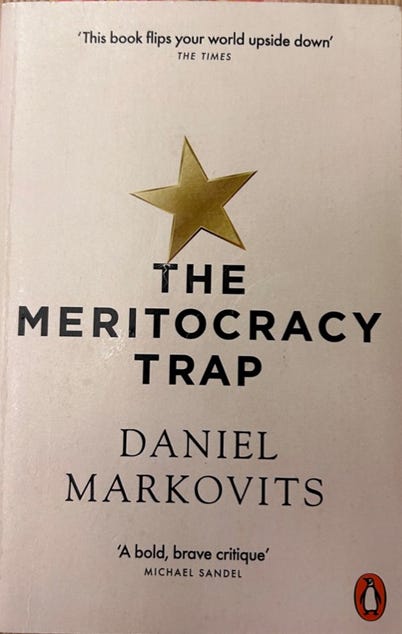
Markovits also notes that this high-pressure environment grows even more acute as elite education continues to “involute.” Though the original goal of meritocracy—rewarding talent and hard work—appears just, in practice, wealthy families sustain a staggering “head start,” often measured in tens of millions of dollars’ worth of educational investment. Even new immigrants who pour every resource they have into their children’s schooling can only manage a partial edge. And if their kids do crack the Ivy League, they do not enjoy the same ease of life once associated with “old money.” After all, forging a path into high-paying industries only opens the door to a lifetime of ever-intensifying competition.
Behind “Pa Teng”: The Immense Price Paid by Chinese New Immigrant Families in the U.S.
Financial Strain
Many new immigrant families, aiming to “pa teng,” must juggle high housing costs in top-notch school districts, private tuition, or extensive tutoring fees. At the same time, they face obligations to extended family or community: for instance, parents in China might expect some financial support once their child is securely established in the U.S., or the immigrant family may still be paying off student loans and mortgages incurred during the early years of settling abroad. Thus, a substantial portion of the household income is funneled into a child’s education—“raising a child like an investment in a gold mine”—but the payoff ultimately hinges on college admissions and subsequent outcomes.
This scenario also generates a particular “midlife crisis”: these parents often forsake investing, saving for retirement, or even enjoying a normal standard of living. Unlike older families possessing mature American assets, they do not have the luxury of trusts or family funds to underwrite educational or lifestyle pursuits. If their child fails to gain admission to a top institution or falls short of “respectable” achievements even after enrolling, the family’s financial risks may be devastating.
Parent-Child Tensions
In many new immigrant households, the ethos of “hard work” and “academic achievement” becomes paramount. Parents, eager to preserve or raise their status in American society, impose strict demands on children’s academic performance. Meanwhile, those same children must navigate a different cultural environment at school, only to return home to the even higher expectations of Chinese parents. Some Chinese American kids experience elevated anxiety, depression, or self-doubt. Further complicating matters, many Chinese families do not express emotions openly, leaving parents and children with communication barriers. Some children appear compliant but harbor intense frustrations that, once they leave for college or a career, may surface in an outright split. They might reject traditional Chinese culture or family values, potentially leading to estrangement and fractured parent- child relationships.
Professional and Career Ceiling
Even in America’s elite industries, no mere diploma guarantees one can break through the proverbial “glass ceiling.” Upon entering fields like finance, consulting, investment banking, law, or technology, Chinese American professionals might boost their earnings by pushing themselves to the limit. Yet, rising to executive positions or exerting real influence typically demands deep social networks, cultural fluency, and a nuanced grasp of mainstream norms. Despite comparable expertise, many find themselves confronting subtle barriers to leadership. Pushed by the need to prove themselves, they work even harder, depleting their personal time, health, and spirit.
More troubling still is that this “rat race” could last well into middle or even old age. Some may long to pivot careers or slow down but worry that their specialized skillset or finances no longer afford the option. Fearing the loss of everything they and their families have invested, they keep forging ahead. It is not uncommon for highly educated Chinese Americans in their forties or fifties to find themselves drained, struggling to balance an adequate income with a tolerable lifestyle.
The Trap of “Meritocracy”: Why Is Everyone So Anxious?
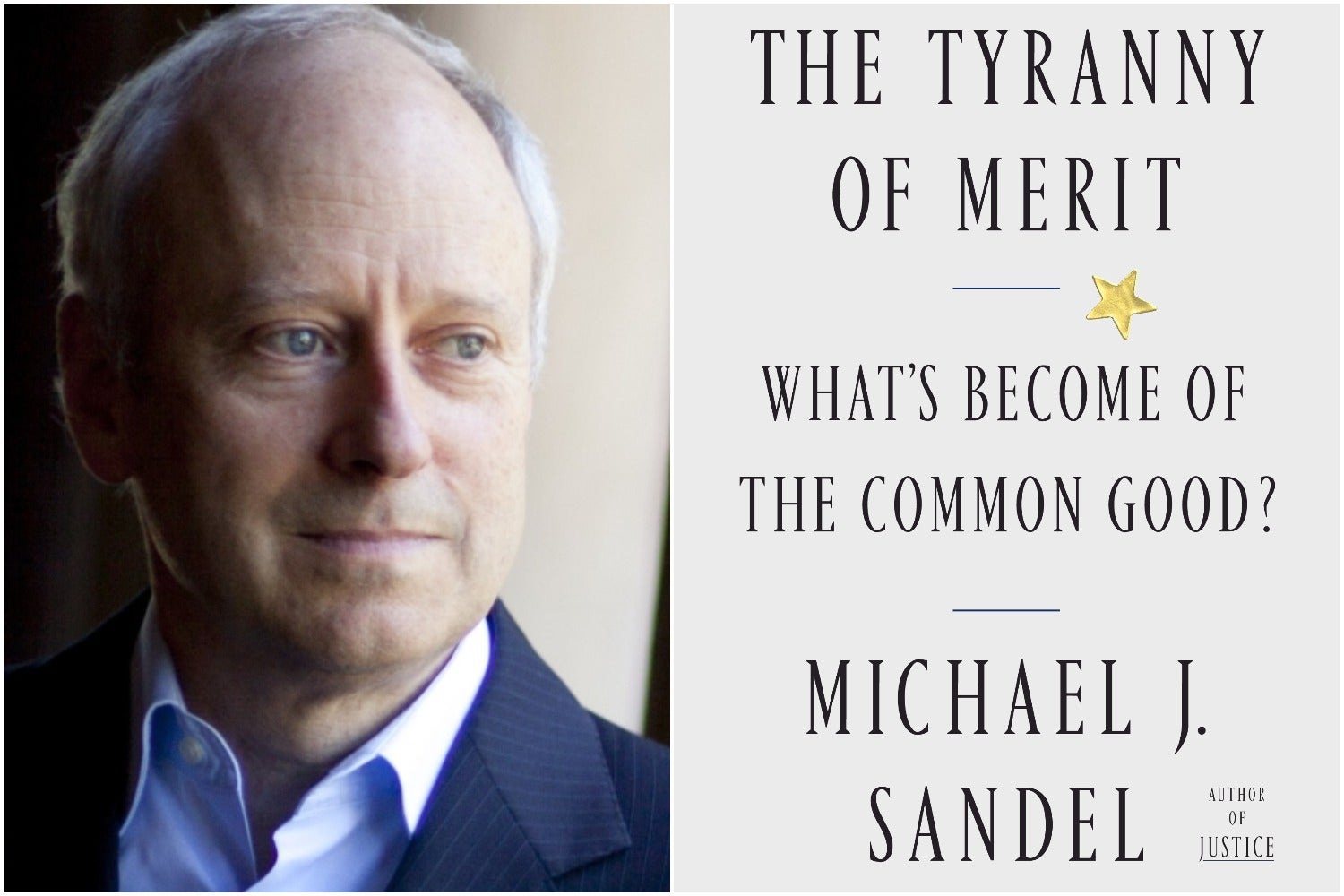
American society has grown increasingly critical of “meritocracy” in recent years. In The Tyranny of Merit (《精英的傲慢》), Michael Sandel observes that supposedly talent-based admissions at elite universities, in fact, lock out students from lower-income backgrounds whose families lack the same resources and social advantages. In The Meritocracy Trap, Markovits goes on to show that to sustain high incomes, top-skilled professionals surrender their leisure and health, while the middle class is squeezed into “doing nothing” or making very little—further fracturing society. For Chinese immigrant families, the prestige of the meritocratic apex is so compelling that they invest everything in the pursuit of “elite education.”
The outcome is often a household mired in collective anxiety: parents agonize over whether their child is competitive enough to “repay the investment,” while the children themselves are run ragged by standardized tests and extracurriculars. After this grueling journey, they discover the job market split between “high-paying, burnout roles” and “leisurely but underpaid ones.”
Some might wonder if this elite drive fuels technological, economic, or social gains. Empirical data, however, shows that intensified elite education has not substantially boosted America’s economic growth or productivity. Meanwhile, a swelling number of middle- and lower-skilled workers are consigned to the sidelines—underemployed or unemployed—confronting steep inequalities, alcoholism, drug use, and other social ills. This deepening divide endangers social stability and takes a grievous toll on individual well-being.
So how can Chinese immigrant families break free from this “meritocratic” trap?
First, Reassess the Real Returns of “Elite Education”
For many Chinese immigrants, “pa teng” is treated as the single route to a child’s success. Yet we need to look more broadly: an impressive paycheck does not necessarily correlate with real happiness. Elite fields in the U.S. often entail relentless stress and near-constant demands on one’s health. Parents should allow their children space to discover their passions and strengths, balancing public needs with personal growth, rather than clinging to the “Ivy League–high income” model as the sole yardstick of success.
That also means if a child has genuine gifts in art, education, or research—and less interest in finance, law, or tech—these alternative paths can be equally valid. Though the payoff may come more slowly and not be as glittering as Wall Street, these careers may yield more sustainable, balanced lives. Chinese immigrant parents need to embrace a culturally diverse view of success, refraining from a purely income-focused metric for evaluating a child’s achievements.
Second, Seek Sustainable Approaches to Family and Educational Investment
Many immigrant parents devote every last dollar to private schooling or extra tutoring. Yet when we consider the millions—sometimes tens of millions—of dollars wealthy American families allocate to their children’s education, we realize that ordinary families, no matter how frugal, cannot realistically match such sums. Rather than betting everything on a single roll of the dice, families should make rational assessments of their children’s strengths, their own budgets, and the mix of colleges available to avoid risking financial ruin.
At the same time, it is important not to saddle children with excessive pressure from an early age. Real education isn’t just “getting into college”; it encompasses mental well-being, independent thinking, and character formation. Chinese parents might relax their hold, allowing children to explore a more varied social and cultural life instead of converting every spare moment into “test prep” or “résumé building.” They should also pay close attention to their children’s mental health, offering timely support to ensure they learn to cope in high-stress environments.
Third, Explore Varied Educational and Professional Pathways
As Markovits notes in The Meritocracy Trap, Germany has a robust vocational training system and corporate practices that provide stable, respectable employment for a large number of mid-skilled workers, mitigating extremes of social stratification. This model offers a clue for Chinese immigrants: the future need not be confined to “elite white-collar roles” or bust. Skilled trades and entrepreneurial ventures can also flourish in America. For children drawn to hands-on or practical careers, perhaps vocational programs or more applied colleges might be preferable to joining the throngs battling for Ivy League admission.
Admittedly, under the current American social structure, most parents and students still place a premium on diplomas. However, within Chinese immigrant communities, there is room to expand communication and information-sharing so that children with different interests and aptitudes can discover multiple routes, easing some of the fierce competition and all-or-nothing risks posed by “pa teng.”
Finally, Hope for Reform in Elite Education and Public Policy
Sandel, Markovits, and other scholars have asserted that American universities should broaden top-tier educational opportunities, rather than remain exclusive “clubs” for the wealthy. If they refuse structural changes, they ought to face higher taxes or provide more public services, given their massive endowments and selective admissions. For Chinese immigrant families, such policy shifts could alleviate the intensifying pressures in elite education, granting the middle class and ordinary families a fairer chance at upward mobility.
That said, these changes cut to the core of U.S. societal interests and are hardly realized overnight. In the foreseeable future, it’s unlikely we’ll see radical measures like “lotteries for Harvard admissions” or truly unlimited Ivy League enrollment. Chinese parents must, therefore, balance realistic expectations with their children’s long-term well-being, lest they both become trapped in endless competition.
This article references Ru Ma Chuang Meiguo (如妈闯美国): “Yale Professor’s Harsh Critique: American Elites Start the 996 Rhythm from Childhood and Spend 10 Million More than ‘Poor Kids.’” Our sincere thanks!
This translation is an independent yet well-intentioned effort by the China Thought Express editorial team to bridge ideas between the Chinese and English-speaking worlds.